Reviewing the Halloween Cat Embroidery Design for Real Projects
As a designer who has spent countless hours digitizing and stitching out thousands of patterns, I approach every new machine embroidery design with a critical eye. It is not enough for a graphic to look cute on a screen; it must translate flawlessly into thread. Recently, I evaluated the Halloween Cat Embroidery Desgin to determine its viability for client work and small shop inventory. This review breaks down how this specific pattern performs in real-world scenarios, moving beyond marketing fluff to practical application.
First Impressions and Visual Personality
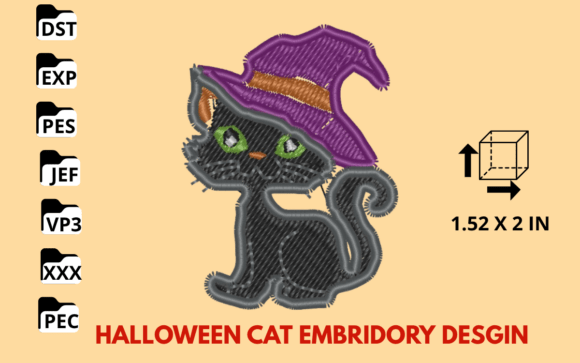
The initial appeal of this design lies in its balance between spooky and sweet. Featuring a cute black cat with bright green eyes, sitting proudly in a whimsical purple setting, the composition immediately signals a playful tone rather than a terrifying one. For embroidery designers, this distinction is crucial. The shape language is rounded and inviting, which suggests that the digitizer prioritized stitch flow over jagged, complex edges that often cause thread breaks.
The color palette is classic yet effective. Black, green, and purple are high-contrast combinations that pop against neutral backgrounds. However, the success of these thread colors depends heavily on the fabric choice. In my assessment, the visual personality of the Halloween Cat Embroidery Desgin feels most at home on autumn-themed items where warmth and whimsy intersect. It does not scream "horror," making it safe for broader audiences, including families and children.
Real-World Application: The Tote Bag Test
To truly understand the value of an embroidery file, you must imagine it on a physical product. I visualized this design on a natural canvas tote bag, a staple for any Etsy seller during the fall season. The whimsical purple background element provides a solid base for the black cat, ensuring the subject does not get lost in the texture of the canvas.
When preparing a custom embroidered tote bag, placement is key. This design’s layout appears compact enough to sit centrally on a standard tote without overwhelming the fabric. For a small shop product, this versatility is a major selling point. Customers looking for a personalized gift or a seasonal accessory will appreciate that the design is recognizable from a distance but holds up to close inspection. The bright green eyes serve as a focal point, drawing attention and adding a touch of life to the stitched figure.
Apparel and Wearable Items
Beyond accessories, this design shines in custom apparel. Imagine it on the left chest of a charcoal grey sweatshirt or the back of a kids’ hoodie. The sweatshirt embroidery market thrives on designs that are cozy and thematic without being overly aggressive. The sitting posture of the cat suggests stability, which translates well to the drape of a garment. Unlike standing figures that might distort when the fabric moves, a seated subject maintains its integrity better on stretchy materials.
For baby embroidery projects, such as onesies or bibs, the scale must be reduced carefully. While the design is adorable, one must ensure that the fine details of the eyes and whiskers do not become muddy when scaled down. If the stitch density is too high for a small hoop, the result can feel stiff and uncomfortable against sensitive skin. Always test a smaller version on scrap fabric before committing to a final finished product.
Technical Considerations for Stitching
From a technical standpoint, working with black thread on dark fabrics requires strategic planning. If you are stitching this on a navy or black garment, the purple background element becomes essential for visibility. Without it, the black cat would disappear. This makes the design inherently versatile for dark fabrics, provided the purple accent is included. However, on light fabrics like white tea towels or cream aprons, the contrast is naturally higher, allowing the black satin stitches to stand out sharply.
Pay close attention to the stabilizer choice. For textured fabrics like terry cloth towels or fluffy fleece blankets, a cut-away stabilizer is recommended to prevent puckering. The fill stitch areas in the purple background need support to lie flat. If you are using this as an applique design, ensure the tack-down stitches are secure before trimming the fabric. Running stitch outlines should be crisp to define the cat’s silhouette clearly.
Navigating Challenging Surfaces
Curved surfaces present unique challenges. If you plan to use this on a cap, the rigid front panel is the only suitable area. The design’s width must fit within the typical 5x7 or 4x4 hoop size constraints of cap frames. Avoid placing it on the side panels where distortion is likely. Similarly, for embroidered patch creation, ensure the border is dense enough to allow for clean cutting and merrowing or satin edging.
Be cautious with thin or stretchy fabrics. High stitch density can cause gathering or tearing in delicate materials. If you are creating a holiday embroidery item using silk or rayon blends, consider reducing the density or using a lighter weight thread to maintain the fabric's drape. Always check whether the design works for both personal and commercial projects by reviewing the license terms associated with the digital embroidery file.
Commercial Value and Brand Consistency
For craft business owners, consistency is vital. The Halloween Cat Embroidery Desgin offers a professional look that enhances brand trust. A well-stitched design signals quality, encouraging buyer engagement and repeat customers. When used in printable mockup previews for online listings, the clear lines and vibrant colors help potential buyers visualize the final item, increasing conversion rates.
This design fits seamlessly into a broader collection of design assets for autumn. It pairs well with other seasonal motifs like pumpkins, leaves, or bats, allowing you to create bundled products. For commercial embroidery clients, such as boutique brands looking for limited-edition runs, this design offers a safe yet festive option that appeals to a wide demographic. It avoids niche horror elements, making it suitable for general retail environments.
Final Designer Notes
Before launching this design into your production line, take these practical steps. First, stitch out a test sample on the exact fabric type you intend to use. Check the tension and trim any loose jumps threads. Second, verify the thread color contrast. If your green thread is too dark, the eyes may lack impact. Third, confirm the licensing rights. Ensure you are permitted to sell items made with this machine embroidery design if you are operating as an Etsy seller or independent maker.
The Halloween Cat Embroidery Desgin is a strong contender for your fall catalog. It balances aesthetic charm with technical feasibility, provided you respect the limitations of your materials and machine. By focusing on proper stabilization, appropriate scaling, and thoughtful fabric selection, you can transform this digital file into a high-value handmade product that delights customers and elevates your brand.