Review: Festive Zigzag Christmas Stocking Embroidery Design
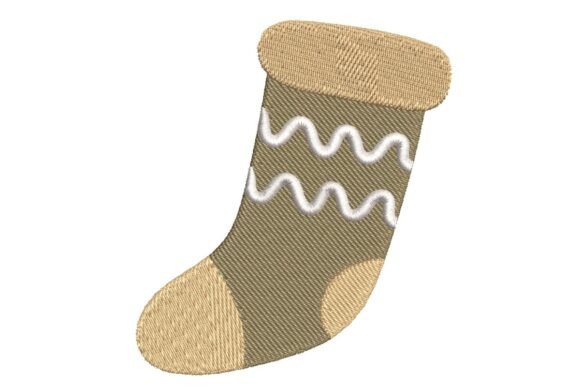
As a designer who has spent countless hours digitizing and testing patterns for client work, I approach every new machine embroidery design with a critical eye. It is not enough for a pattern to look cute on a screen; it must hold up under the needle, survive the wash, and appeal to the end buyer. Recently, I evaluated the Festive Zigzag Christmas Stocking Embroidery Design to determine its viability for my upcoming holiday product line. This charming embroidery design features a stylized Christmas stocking, perfect for holiday decor with a cozy, rustic feel. The main body of the stocking is a textured muted green or olive beige, with details that suggest warmth and tradition without veering into overly complex territory.
First Impressions and Visual Personality
The immediate appeal of this design lies in its simplicity and texture. Unlike hyper-realistic stockings that require thousands of stitches and dense fill areas, this piece relies on a stylized approach. The zigzag motif gives it a hand-knitted or woven aesthetic, which aligns perfectly with current trends in rustic home decor and slow fashion. For an Etsy seller or craft business owner, this visual personality is crucial. It signals "handmade" rather than "mass-produced," adding perceived value to the finished product.
The color palette suggested by the description—muted greens and olive beiges—is versatile. These earth tones pair well with natural fibers like linen, cotton canvas, and wool blends. When I visualized this embroidery project, I saw it working best on materials that have their own character, rather than slick, synthetic fabrics that might clash with the rustic vibe.
Real-World Application: The Tote Bag Test
To truly understand how a design performs, you must imagine it in a specific context. I envisioned using this design for a custom tote bag design intended as a reusable gift wrap alternative or a holiday market bag. The stocking’s horizontal orientation and moderate width make it ideal for the center panel of a tote. Because the design uses a textured fill rather than solid satin columns, it avoids the common pitfall of "pulling" or distorting lighter canvas fabrics.
Beyond totes, this embroidery file shows promise for sweatshirt embroidery. Placed on the left chest of a cream or heather grey crewneck, the muted green stocking acts as a subtle, sophisticated holiday accent. It is not loud or childish, making it appealing to adult customers who want festive apparel they can wear beyond December 25th. For small shop product lines, this versatility is a major asset. You can market the same digital asset across multiple categories, from custom apparel to home goods.
Technical Considerations for Stitching
From a technical standpoint, the "zigzag" nature of the design implies a mix of satin stitch and possibly running stitch elements to create texture. When working with such designs, stitch density is a key factor. If the density is too high, the fabric may pucker; if too low, the backing might show through. Since the description mentions a "textured" body, I recommend testing this on a scrap piece of your intended fabric first.
For those considering this for an applique design workflow, note that this appears to be a full-stitch design rather than an applique cut-and-sew pattern. This means you do not need to source matching fabric scraps, which simplifies production for bulk orders. However, it also means you must rely entirely on thread quality. Using a high-sheen rayon thread might look out of place with the rustic theme; instead, consider matte polyester or cotton threads to enhance the cozy feel.
Fabric and Hoop Constraints
While the design is versatile, it is not universal. Here are specific scenarios where caution is advised:
- Stretchy Fabrics: If using this on baby clothes or athletic wear, ensure you use a cut-away stabilizer. The zigzag pattern has directional movement that can distort if the fabric stretches during wear.
- Dark Fabrics: The muted green and olive beige tones may lack contrast on black or navy backgrounds. Always test your thread colors against the fabric. You may need to adjust the shade slightly brighter for dark garments to ensure the design remains visible.
- Small Hoop Sizes: Check the dimensions of the embroidery file before purchasing. If the design is large, it may not fit in a 4x4 inch hoop, limiting its use for small items like embroidered patch projects or baby bibs.
- Curved Surfaces: Stitching this on a cap requires careful hooping. The textured fill needs a stable surface to look crisp. A curved cap brim might cause registration issues if the design is too wide.
Commercial Viability and Brand Consistency
For digital embroidery file sellers and commercial embroidery professionals, the question is always about return on investment. Does this design help build a brand? Yes, because it supports a cohesive aesthetic. If your brand focuses on rustic, farmhouse, or eco-friendly values, this stocking reinforces that narrative. It works beautifully in printable mockup previews, allowing you to showcase the design on various products without stitching every sample.
Customer trust is built on consistency. A clean, well-digitized design that stitches out correctly the first time reduces refunds and negative reviews. The simple geometry of the zigzag stocking suggests fewer jump stitches and trim points, which means faster machine run times. For a small business, speed equals profit. Faster production allows you to fulfill more orders during the hectic holiday season.
Practical Designer Notes
Before integrating the Festive Zigzag Christmas Stocking Embroidery Design into your workflow, keep these practical tips in mind:
- Test on Scrap Fabric: Never run a new design directly on a final product. Use the same fabric and stabilizer combination you plan to sell.
- Check License Terms: Confirm whether the license allows for commercial use of finished items. Most designers allow selling physical goods but restrict reselling the digital file itself.
- Review Stitch Density: Zoom in on the digitizing software if available. Look for overly dense areas that might cause thread breaks.
- Contrast Check: View the design in black and white to ensure the shape is recognizable even without color. This helps in understanding the structural integrity of the design.
- Stabilizer Selection: For woven fabrics like linen or cotton, a tear-away stabilizer may suffice. For knits or stretchy materials, always use cut-away.
In conclusion, this design offers a balanced mix of charm and practicality. It is not just a decorative element but a functional asset for creators looking to expand their holiday embroidery offerings. By understanding its technical requirements and visual strengths, you can leverage this design assets to create high-quality, memorable products for your customers.